
Treatment Room Hygiene: Essential Supplies and Daily Checks
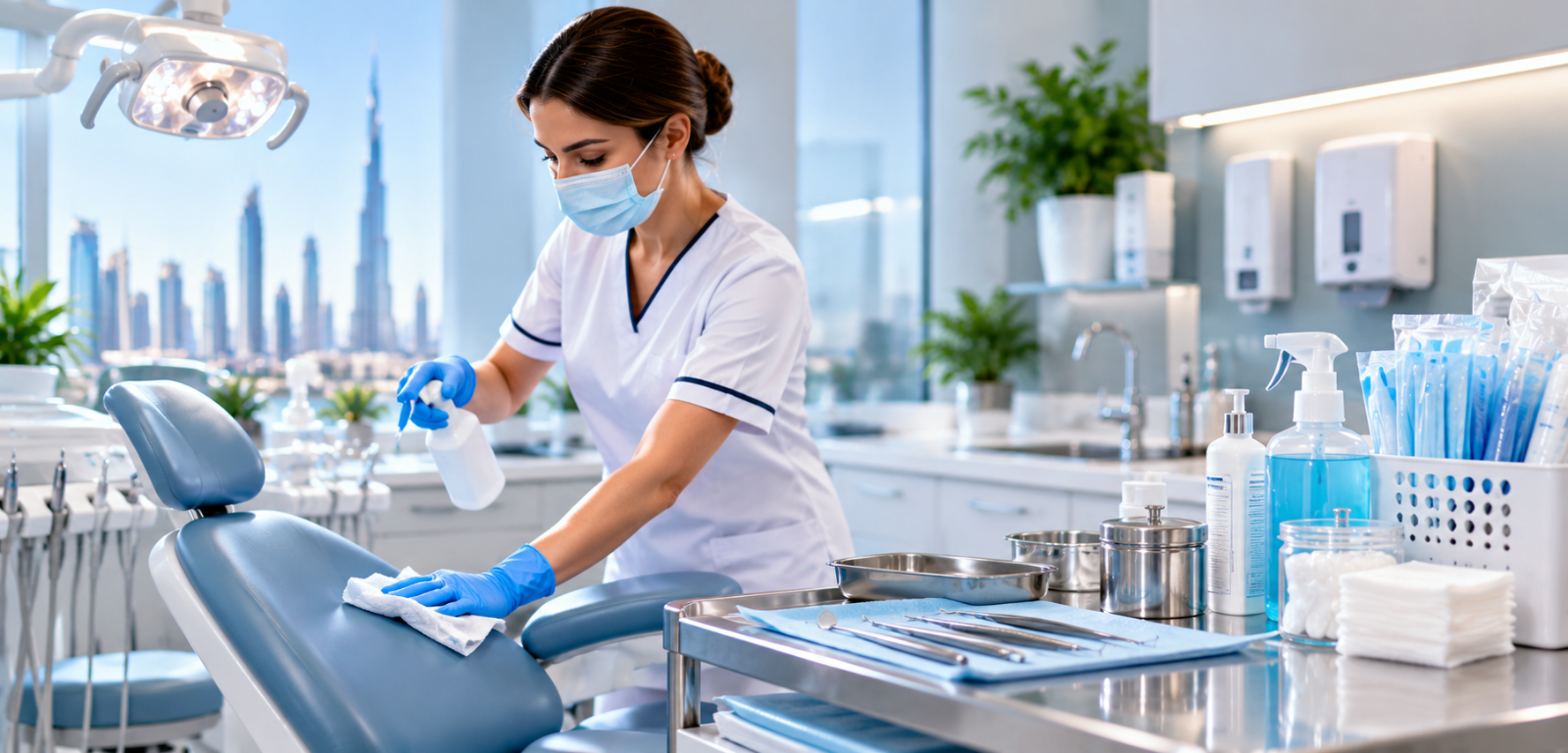
Hygiene of the treatment room: essential materials and daily checks for a safer clinic
A clean, well-maintained treatment room is an important part of any health care facility. Good hygiene reduces the risk of infection and promotes patient safety, whether for consultations, wound care, injections, minor procedures or other clinical services.
Cleanliness in the treatment room is not limited to visible surfaces. It includes hand hygiene, correct use of personal protective equipment (PPE), safe handling of medical consumables, correct disinfection procedures and proper disposal of waste.
For clinics and healthcare facilities, having the right infection-control supplies and a daily checklist that is followed consistently can help to make these responsibilities easier to manage.
Here is a practical guide to the main supplies and routine checks that every clinic should consider.
Important Materials for Maintaining Hygiene in Treatment Room
A treatment room must have a reliable supply of cleaning, protective, and infection-control products. Requirements may be specific depending on the procedures performed and the clinic’s infection prevention policy.
Some of the most common supplies needed are
Hand hygiene products: liquid hand soap, alcohol-based hand rub, and paper towels.
Personal protective equipment: examination gloves, medical masks, protective gowns, aprons and eye protection, depending on the risk of exposure.
Surface cleaning and disinfection products: Approved cleaning materials and healthcare-appropriate surface disinfectants.
Disposable clinical consumables: Sterile gauze, cotton rolls, dressings, disposable sheets and other supplies specific to the procedure.
Waste management products: clinical waste bags, general waste bags, and approved sharps containers.
Cleaning accessories: Disposable wipes, cleaning cloths and specific cleaning equipment.
Keep products organised and accessible. Ensure disinfectants are suitable for the surfaces and equipment you clean, and always follow the manufacturer’s instructions for dilution, application and contact time.
Daily checks for treatment room cleaning
A daily cleaning routine helps keep the treatment room ready for clinical use. Please assign responsibilities to trained staff and maintain a cleaning record.
Prior to the first patient, make sure that:
Clean and dry examination beds and work surfaces.
High contact surfaces such as handles, switches and equipment controls have been cleaned and disinfected as required.
Handwashing facilities and hand sanitiser available.
PPE supply is in good condition.
Trash bins clean, properly lined and ready to use.
Availability of sharps containers and not overfilling.
Clinical consumables are appropriately organised and dated.
The room is clean, airy and uncluttered.
Cleaning should also take place between patients, with particular attention to the examination bed, reusable equipment, and other surfaces that may have been exposed during care. Respond immediately according to the clinic’s approved spill-management procedure if blood or body fluids are spilt.
At the end of the working day, please ensure that the required cleaning and disinfection tasks are completed, waste is removed safely, and the room is prepared for the next working session.
Hand Hygiene and PPE
Hand hygiene is one of the most important components of infection prevention. Healthcare workers should practise hand hygiene at the correct moments during patient care, including before and after patient contact, and after contact with body fluids.
Clinics should have hand hygiene products available at the point of care. Staff also need to know when soap and water should be used and when an alcohol-based hand rub is appropriate.
PPE should be selected according to the job and anticipated exposure. Gloves, masks, gowns, and eye protection are not substitutes for one another, and wearing gloves is not a substitute for hand hygiene.
Staff should use correct procedures for donning and doffing PPE to prevent contamination of themselves, other surfaces or clean supplies. Used disposable PPE must be disposed of as per the waste management policy of the facility.
Safe use of consumables and medical equipment
Reusable medical equipment must be cleaned, disinfected or sterilised according to its intended use, the manufacturers’ instructions and the clinic’s infection control procedures.
Never use single-use products. Keep sterile items in their original packaging until you need them. Do not use products that are in damaged packaging, have unclear labelling or have expired dates.
In the treatment rooms, clean supplies should be separated from used or contaminated equipment. Store sterile products in proper designated areas, free from moisture, dust and possible contamination.
Sharps, such as needles and blades, should be disposed of immediately after use in approved puncture-resistant sharps containers. Do not leave used sharps on work surfaces or attempt resetting needles unless an approved procedure requires it.
Room organisation and waste disposal
Proper segregation of waste is essential for a safe treatment environment. General waste, clinical waste and sharps must be segregated in accordance with the waste management policy of the facility and the requirements of the relevant emirate.
Use clearly identified containers and do not allow any waste to accumulate in treatment areas. Sharps containers should be replaced when they reach the fill line marked by the manufacturer or the facility-approved replacement threshold.
Store frequently used supplies in designated storage areas. Avoid overloading shelves and worktops with unnecessary items, which makes cleaning more difficult.
Clinics should also have a system in place for removing expired, damaged or recalled products from usable stock. This helps to avoid the use of inappropriate supplies in patient care.
Keeping a Daily Hygiene Checklist
A written checklist ensures staff follow the same hygiene routine consistently. It also provides a record that can be reviewed in internal audits.
A simple daily checklist may include:
Opening checks: Ensure the room is clean, supplies are available and trash containers are in place.
Before patient contact, check hand hygiene facilities, PPE and clinical consumables required.
Between patients: Follow the approved procedure to clean and disinfect relevant surfaces and reusable equipment.
During the day: Check levels of waste, replenish essentials and clean up spills right away.
Checks to close: Complete the scheduled cleaning, dispose of waste, organise supplies and document the completed tasks.
Assign a designated staff member to complete and sign the checklist. Supervisors should review records regularly and schedule corrective action when a task has been missed.
Conclusion
Keeping treatment rooms clean is a continuous task that relies on having the right supplies, trained staff, and daily routines. All of these products, from hand hygiene supplies and personal protective equipment (PPE) to surface disinfectants, sterile consumables and sharps containers, help keep your clinical environment clean and organised.
Structured cleaning routine, regular supply checks and proper waste-management practices all help to strengthen infection-prevention processes in clinics and support safer patient care.
Elumia Medstore is a place to discover relevant healthcare supply categories for clinics sourcing medical consumables and infection-control products. Before purchase, please check the individual product specifications, intended uses and availability.
Attention to detail is the bedrock of a well-kept treatment room. Regular checks can make a big difference to the safety and organisation of clinical operations.