
Complete Guide to Professional Chemical Peel Products
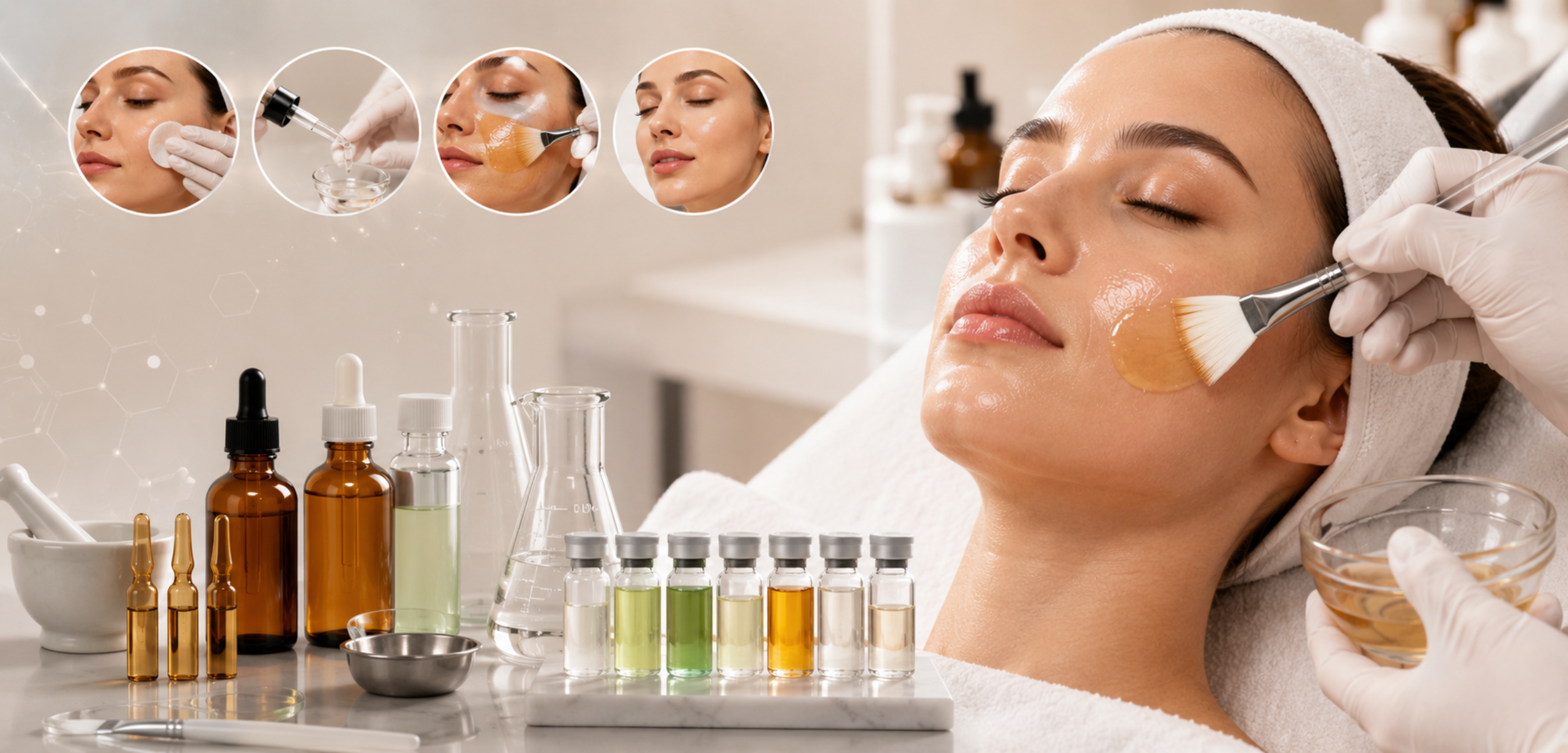
### Complete Guide to Professional Chemical Peel Products
Chemical peels are one of the most frequently administered non-surgical skin procedures in aesthetic clinics. They stimulate the natural renewal of the skin to help smooth rough texture, brighten a dull complexion, and address pigmentation and signs of aging. With a wide range of professional chemical peel products available, selecting the right solution depends on the patient's skin type, concerns, and treatment goals.
This detailed guide discusses the different types of professional chemical peel products and how clinics can choose the most suitable options for their patients.
What Are Professional Chemical Peel Products?
Professional chemical peels are specially formulated solutions applied by experienced medical or aesthetic professionals to exfoliate the outer layers of the skin. These peels vary in strength and ingredients and are commonly used to treat concerns such as acne scars, uneven skin tone, fine lines, sun damage, and dull skin.
Unlike at-home exfoliating products, professional chemical peels provide stronger results under professional supervision.
Common Types of Chemical Peels
Different peel formulations are selected depending on each patient's skin concerns. Some of the most common types include:
- Glycolic Peels – Good for improving skin texture and reducing fine lines.
- Salicylic Acid Peels—Commonly used for oily and acne-prone skin.
- Lactic Acid Peels – A gentler option suitable for dry or sensitive skin.
- TCA (Trichloroacetic Acid) Peels—Often used to treat pigmentation, acne scars, and signs of aging.
- Combination Peels – Formulated with multiple acids to address several skin concerns in a single treatment.
Choosing High-Quality Chemical Peel Products
High-quality products are essential for safe and consistent treatment outcomes. Clinics should source chemical peel products from trusted suppliers that provide genuine products with proper storage, handling, and documentation.
Working with reliable suppliers also helps maintain consistent stock availability and provides professional support when introducing new skincare treatments.
Key Considerations Before Choosing a Peel
Every patient's skin is different, making a thorough assessment essential before selecting the appropriate peel. Clinics typically consider factors such as skin type, sensitivity, pigmentation, acne history, and treatment goals before recommending a treatment.
Choosing the right product plays an important role in achieving safe treatments and improving patient satisfaction.
Final Thoughts
Chemical peels remain an important part of modern aesthetic treatments, offering effective solutions for a variety of skin concerns. Understanding the different types of chemical peels and sourcing products from reputable suppliers helps clinics provide safe, high-quality treatments that support healthier, smoother, and more radiant-looking skin.